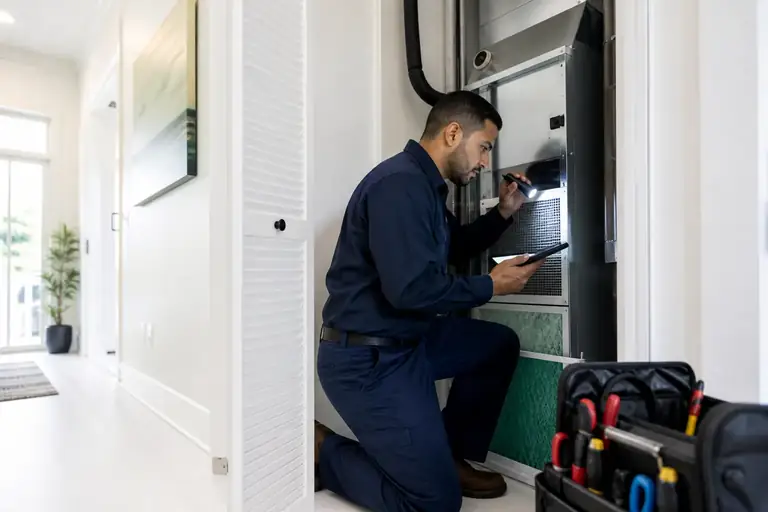
7 Warning Signs Your Orlando HVAC System Needs Repair
An air conditioner rarely chooses a convenient time to fail. Recognizing changes in cooling, airflow, sound, moisture, odor, cycling, and energy use can help you request service before a small problem becomes a complete loss of comfort.
Seven signs it is time to schedule HVAC repair
1. Warm air from the vents
If the thermostat is set to cool but supply air remains warm, confirm the mode and temperature setting. Request AC repair if cooling does not return.
2. Weak or uneven airflow
Low airflow may be connected to a dirty filter, blocked return, blower problem, coil condition, or duct restriction. Avoid long operation when airflow is severely reduced.
3. New or unusual sounds
Grinding, scraping, repeated clicking, buzzing, or loud rattling should not be ignored. Shut the system down if the sound is severe or suggests moving parts are touching.
4. Water around the indoor unit
Water near the air handler may indicate a clogged drain, frozen coil, damaged pan, or another drainage issue. Turn the system off if water threatens ceilings, flooring, electrical parts, or property.
5. Frequent short cycling
A system that starts and stops every few minutes may have a control, airflow, sizing, electrical, or equipment problem. Short cycling can reduce comfort and humidity removal.
6. Burning or electrical odors
Persistent burning, melting-plastic, or electrical odors require immediate attention. Turn the equipment off and avoid opening electrical panels. If you see smoke or suspect fire, leave and call emergency services.
7. A sudden increase in energy use
Longer run times or a sharp usage increase can signal reduced performance, although weather and rates also affect bills. Schedule a system inspection when the change cannot be explained.
Safe checks you can make before calling
Confirm that the thermostat is set to Cool, replace a visibly dirty filter with the correct type, make sure vents are not blocked, and check whether the breaker has tripped once. Do not repeatedly reset a breaker, remove service panels, handle refrigerant parts, or bypass safety devices.
Have the model number, thermostat setting, symptoms, and approximate start time ready when you call. The Department of Energy offers general guidance on air-conditioner maintenance.
When should you turn the HVAC system off?
Turn it off for smoke, strong burning odors, severe mechanical noise, repeated breaker trips, significant water leakage, ice buildup with little airflow, or any condition that appears unsafe.
HVAC repair FAQs
Can I keep running the AC if it is not cooling?
Continuous operation may worsen some problems and waste energy. If cooling is absent, airflow is weak, ice is present, or the unit behaves abnormally, turn it off and arrange an inspection.
Should I repair or replace my HVAC system?
Consider the diagnosis, repair cost, age and condition, comfort history, efficiency, warranty, and likelihood of additional repairs. A good recommendation should explain both reasonable options.
How can I reduce surprise breakdowns?
Replace filters as appropriate, keep outdoor equipment clear, watch for drainage or airflow changes, and schedule preventive HVAC maintenance.
Reparación HVAC
7 señales de que su sistema HVAC en Orlando necesita reparación
El aire acondicionado rara vez falla en un momento conveniente. Reconocer cambios en enfriamiento, flujo, sonidos, humedad, olores, ciclos y consumo permite pedir servicio antes de perder completamente el confort.
Siete señales para programar reparación HVAC
1. Aire caliente en las rejillas
Si el termostato está en Cool pero el aire sigue caliente, confirme el modo y temperatura. Solicite reparación de AC si no vuelve a enfriar.
2. Flujo débil o desigual
Puede deberse a filtro sucio, retorno bloqueado, soplador, serpentín o ductos. Evite operar mucho tiempo si el flujo está muy reducido.
3. Sonidos nuevos o inusuales
Chirridos, golpes, clics repetidos, zumbidos o vibraciones fuertes no deben ignorarse. Apague el sistema si el sonido es severo o parece haber contacto entre piezas.
4. Agua cerca de la unidad interior
Puede indicar drenaje tapado, serpentín congelado o bandeja dañada. Apague el equipo si el agua amenaza techos, pisos, partes eléctricas o pertenencias.
5. Ciclos cortos frecuentes
Encender y apagar cada pocos minutos puede indicar problemas de control, flujo, tamaño, electricidad o equipo. Esto reduce confort y control de humedad.
6. Olores a quemado o eléctricos
Olores persistentes requieren atención inmediata. Apague el equipo y no abra paneles. Si ve humo o sospecha incendio, salga y llame a emergencias.
7. Aumento repentino del consumo
Mayor operación o consumo puede indicar menor rendimiento, aunque el clima y tarifas también influyen. Solicite una inspección del sistema si no hay explicación.
Revisiones seguras antes de llamar
Confirme que el termostato esté en Cool, cambie un filtro visiblemente sucio por el tipo correcto, despeje rejillas y revise una vez si se disparó el breaker. No lo reinicie repetidamente, no retire paneles ni manipule refrigerante o dispositivos de seguridad.
Tenga listo el modelo, ajuste del termostato, síntomas y hora aproximada de inicio. El Department of Energy ofrece orientación general sobre mantenimiento de aire acondicionado.
¿Cuándo debe apagar el sistema HVAC?
Apáguelo si hay humo, olor fuerte a quemado, ruido mecánico severo, breakers que se disparan repetidamente, fuga importante de agua, hielo con poco flujo o cualquier condición insegura.
Preguntas frecuentes sobre reparación HVAC
¿Puedo dejar funcionando el AC si no enfría?
La operación continua puede empeorar algunos problemas y desperdiciar energía. Si no enfría, hay poco flujo, hielo o conducta anormal, apáguelo y solicite inspección.
¿Debo reparar o reemplazar el sistema?
Considere diagnóstico, costo, edad, condición, historial, eficiencia, garantía y posibles reparaciones futuras. Una buena recomendación explica ambas opciones razonables.
¿Cómo reduzco fallas inesperadas?
Cambie filtros, mantenga libre el equipo exterior, observe drenaje y flujo, y programe mantenimiento HVAC preventivo.